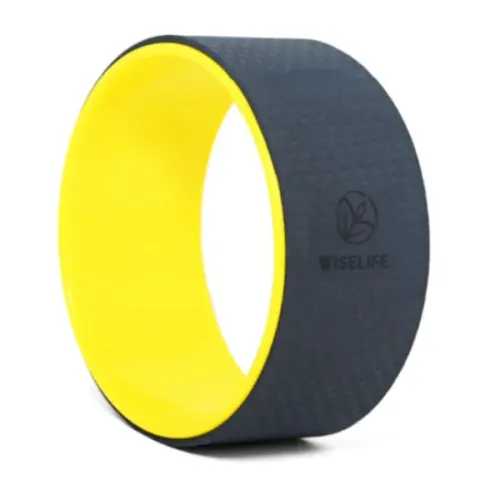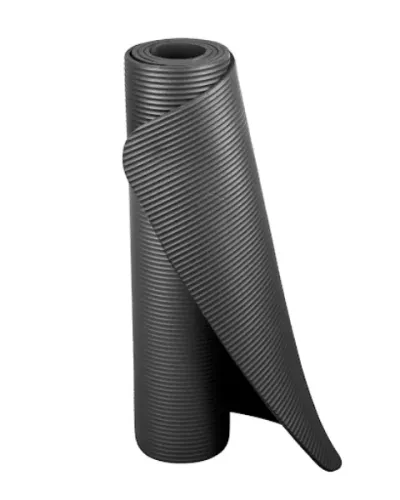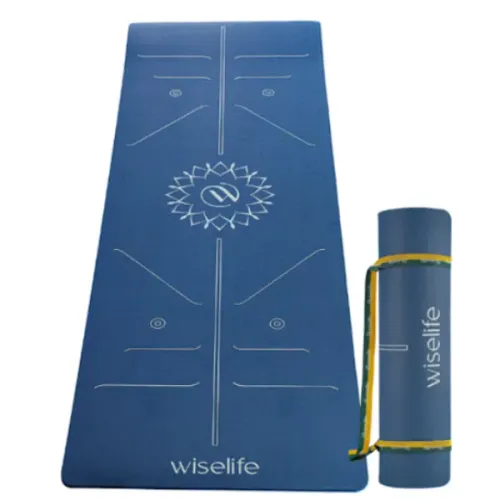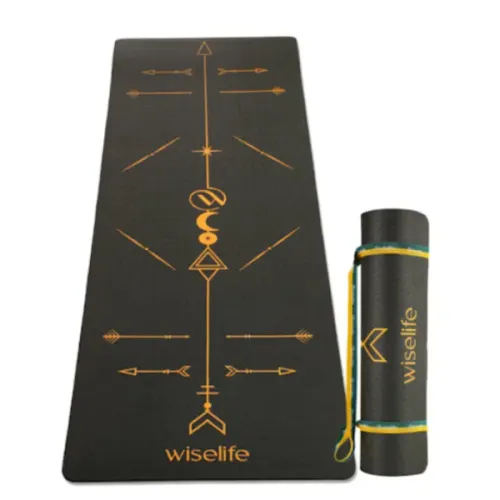
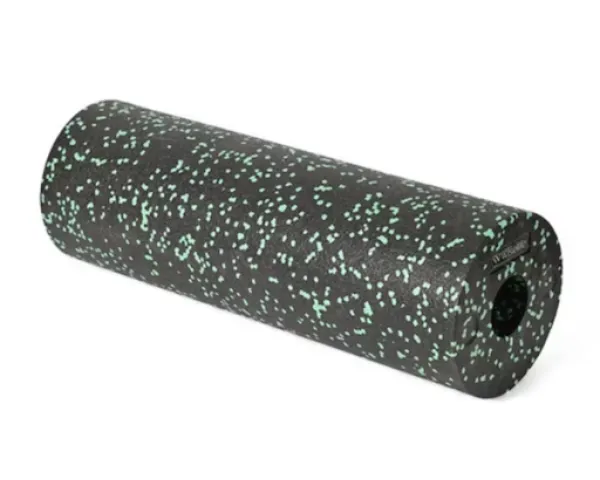
Exercise is only one part of maintaining good physical health. Recovery plays an equally important role in improving performance, reducing muscle soreness, and helping the body prepare for the next workout. While stretching remains an effective recovery method, many fitness professionals now recommend incorporating Foam Rollers into daily routines for better muscle care and mobility.
Foam rollers are simple yet highly effective self-massage tools designed to release muscle tightness, improve flexibility, and support faster recovery after physical activity. From athletes and yoga practitioners to office professionals dealing with stiffness, foam rolling has become a valuable habit for people with different lifestyles and fitness goals.
Understanding How Foam Rolling Works
Foam rolling is often described as a form of self-myofascial release.
During exercise or prolonged sitting, muscles and connective tissues can become tight, reducing mobility and causing discomfort. Applying controlled pressure with a foam roller helps release these tight areas while encouraging better blood circulation.
The process is gentle enough for regular use and can be adjusted according to individual comfort levels.
Signs Your Body May Benefit from Foam Rolling
Many people assume foam rollers are only for athletes, but everyday habits can also create muscle tightness.
You may benefit from foam rolling if you experience:
- Muscle stiffness after workouts
- Tight hips from prolonged sitting
- Neck and shoulder tension
- Reduced flexibility
- Leg fatigue after walking or running
- Back discomfort caused by poor posture
Including a few minutes of foam rolling before or after exercise can help reduce these common issues over time.
Preparing the Body Before Exercise
Foam rollers are not only useful after workouts—they also work well before physical activity.
Rolling major muscle groups before exercise can help:
- Increase blood circulation
- Improve joint mobility
- Activate muscles
- Enhance movement quality
- Prepare the body for stretching
- Reduce stiffness
This gentle preparation often makes warm-up routines more effective and supports smoother movement throughout a workout.
Supporting Faster Muscle Recovery
One of the biggest advantages of foam rolling is its contribution to post-workout recovery.
After intense exercise, muscles may feel tight due to microscopic stress caused during training. Foam rolling encourages relaxation while promoting circulation to the affected muscles.
Although it does not replace proper nutrition, hydration, or rest, it complements these recovery practices and helps users feel more prepared for their next session.
Areas That Benefit Most from Foam Rolling
Foam rollers can be used on multiple muscle groups throughout the body.
Common areas include:
- Calves
- Hamstrings
- Quadriceps
- Glutes
- Upper back
- Lats
- Hip flexors
- IT band region
Applying slow, controlled pressure rather than rolling quickly allows muscles to relax more effectively.
Choosing the Right Foam Roller
Foam rollers are available in different sizes and surface textures.
Smooth foam rollers are generally recommended for beginners because they provide gentle pressure suitable for everyday recovery.
Textured foam rollers apply deeper pressure and are often preferred by experienced users seeking more targeted muscle release.
When selecting a foam roller, consider:
- Density
- Length
- Surface texture
- Portability
- Intended use
Choosing the right model improves both comfort and long-term usability.
Common Foam Rolling Mistakes
Despite its simplicity, foam rolling should be performed correctly.
Avoid these common mistakes:
- Rolling too quickly
- Applying excessive pressure
- Holding your breath
- Rolling directly over joints
- Ignoring painful injuries
- Skipping recovery sessions altogether
Gentle and controlled movements produce better results than aggressive pressure.
A Valuable Addition to Yoga and Home Fitness
Foam rollers work exceptionally well alongside yoga practice.
Many practitioners use them to release muscle tension before stretching, helping improve flexibility and body awareness during yoga sessions. They also complement Pilates, strength training, and mobility exercises by supporting healthier movement patterns.
For individuals balancing work and exercise, foam rolling provides a practical way to reduce stiffness accumulated throughout the day.
Residents around Kolbad, Thane, who spend long hours working at desks often include foam rolling in their evening wellness routine to improve comfort before practising yoga or performing light stretching exercises.
Maintaining Your Foam Roller
Proper care helps extend the lifespan of your equipment.
A few simple maintenance tips include:
- Wipe the surface after use.
- Store it in a dry location.
- Avoid placing excessive weight on it during storage.
- Clean regularly with a mild solution.
- Replace it if cracks or permanent deformation appear.
Regular maintenance ensures hygiene while preserving the roller's shape and performance.
Choosing Quality Recovery Equipment
Recovery tools should provide consistent support without compromising comfort. A well-designed foam roller offers the right balance of firmness and durability, making it suitable for regular use across different fitness levels.
Many yoga practitioners and fitness enthusiasts prefer purchasing recovery accessories from retailers specialising in wellness products. Eldorado One Stop Yoga Store offers foam rollers along with yoga equipment and home fitness accessories designed to support active lifestyles. Those interested in exploring different options can also visit eldoradoyogastore.com to compare products that match their recovery needs.
Foam rolling is a simple habit that can make a noticeable difference in how your body feels before and after exercise. By improving flexibility, supporting recovery, and reducing everyday muscle stiffness, a quality foam roller becomes an essential companion for anyone committed to long-term health and consistent physical activity.
Keywords