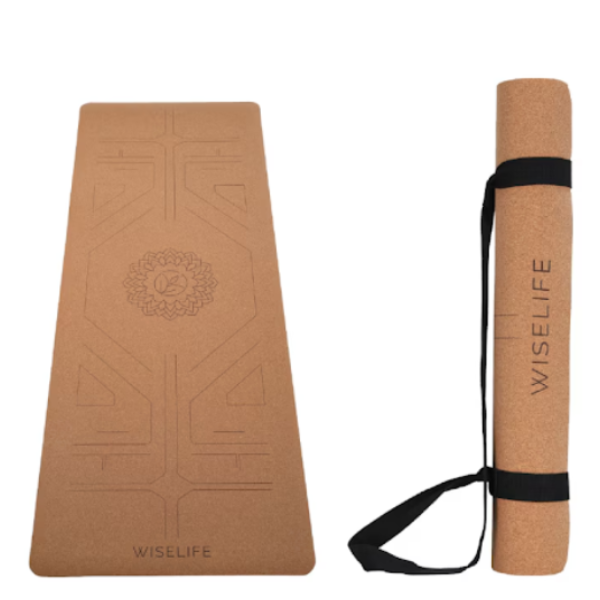
Cork has become a recognizable material in yoga equipment, particularly among practitioners interested in distinctive surface textures and material choices. Yet choosing a mat because cork sounds appealing is not enough. Construction, backing, thickness, maintenance, grip characteristics, and intended use all deserve attention.
For yoga enthusiasts in Rabodi, Thane, evaluating Cork yoga Mats through a practical checklist can make the buying process clearer.
Check Whether Cork Is the Surface Material
Not every cork mat is constructed entirely from cork.
Many products combine a cork upper surface with another backing material. The backing influences floor contact, cushioning, flexibility, weight, and overall performance.
Read the material description carefully so you understand what you are purchasing.
Evaluate Surface Feel
Cork has a distinctive texture that can feel different from PU and other common yoga mat surfaces.
Surface preference is highly personal. Some practitioners enjoy a more natural-feeling texture, while others prefer a smoother or more cushioned touch.
When possible, consider how the surface relates to the type of practice you perform most frequently rather than judging it only visually.
Look at Thickness and Density Together
Thickness measurements are useful, but they tell only part of the story.
Two mats with the same stated thickness may feel different because their density and layered construction differ.
Practitioners performing a mixture of standing and floor-based poses generally need to consider both stability and cushioning. People who spend substantial time in kneeling positions may have different comfort priorities.
Consider How You Will Maintain the Mat
Cleaning should be considered before purchasing rather than after the mat becomes dirty.
Check the care guidance supplied for the specific product. Cork surfaces and backing materials may have their own maintenance requirements.
Useful habits generally include keeping the mat dry between sessions, avoiding inappropriate harsh cleaning methods, and storing it in conditions recommended for the product.
Think About Your Practice Environment
A home yoga setup differs from a studio environment.
A mat used exclusively at home may remain unrolled more frequently and require little transportation. A yoga instructor may carry equipment between sessions and therefore care more about weight and portability.
In Rabodi, where practitioners may use yoga mats in apartments, studios, wellness centres, and gyms, the intended environment can influence what specifications matter most.
Use a Simple Buying Checklist
Before purchasing Cork yoga Mats, review these points:
- Surface and backing materials
- Mat dimensions
- Thickness and density
- Overall weight
- Floor grip
- Surface texture
- Cleaning requirements
- Storage needs
- Intended yoga style
- Frequency of use
This approach prevents one attractive feature from dominating the decision.
Make Material Part of the Decision Rather Than the Whole Decision
Eldorado One Stop Yoga Store provides yoga equipment for individual practitioners and professional buyers across Thane. Shoppers considering cork mats can compare them according to practical use rather than relying solely on material popularity.
A well-chosen yoga mat should fit your practice environment, movement style, comfort expectations, and maintenance routine. Cork can be an appealing option when those factors align with what the particular mat provides.
Keywords