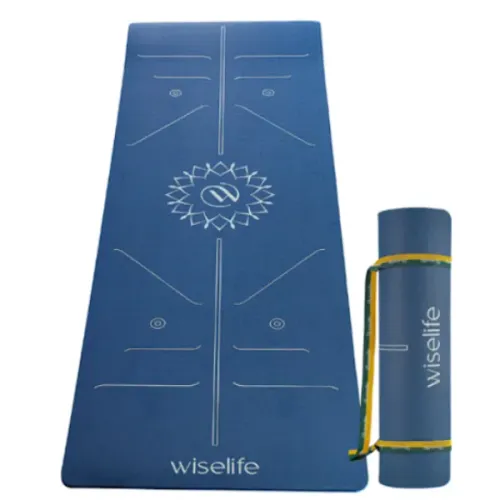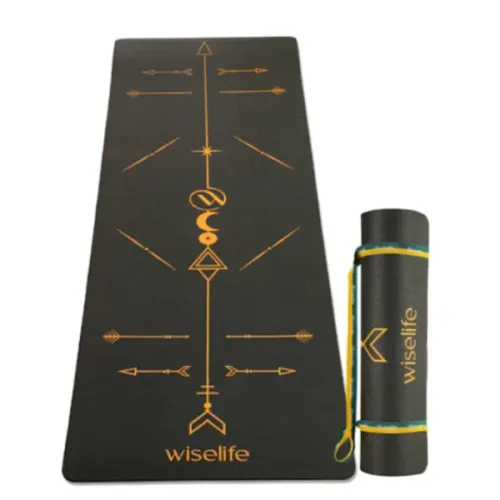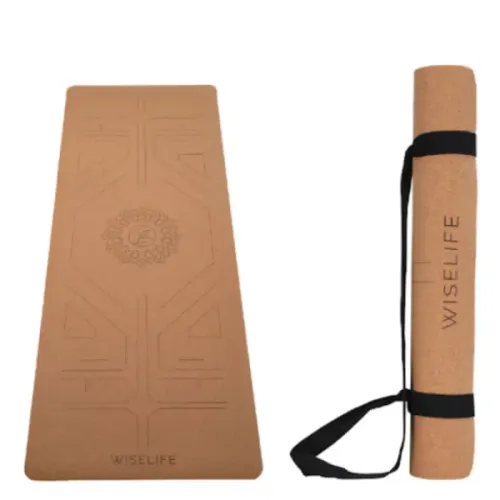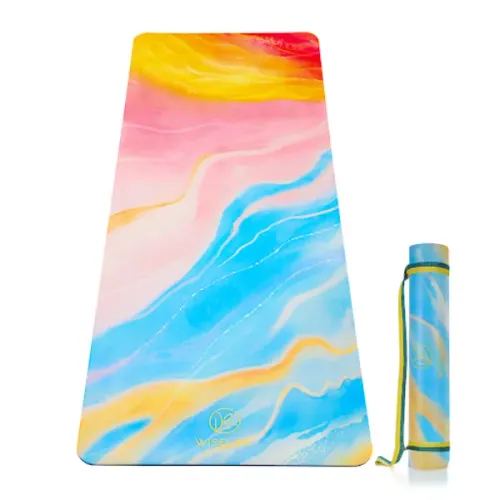
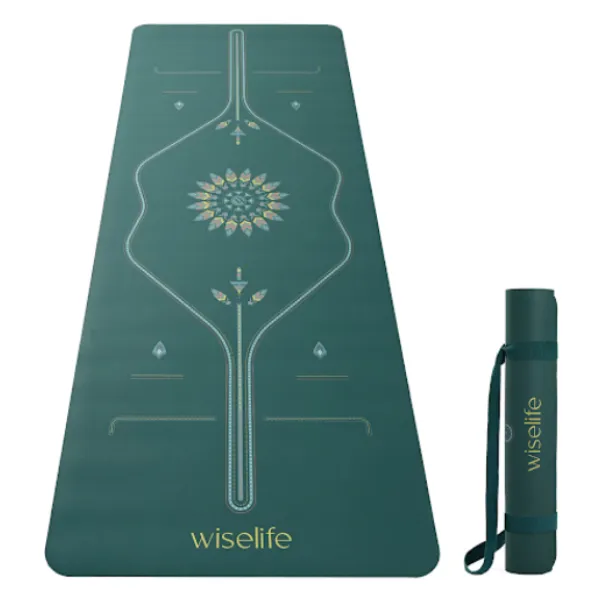
Material is one of the most important factors influencing how a yoga mat feels during practice. Two mats with similar dimensions and thickness can perform quite differently because their surfaces are made from different materials.
For practitioners researching PU yoga mats, grip and surface feel are often among the main reasons this category attracts attention.
People practising yoga at home in Teen Hath Naka, Thane, can make a more informed decision by understanding what PU surfaces offer and what should be checked before selecting a mat.
Understanding the PU Surface
PU refers to polyurethane, a material used as a surface layer in certain yoga mats. Product construction can vary, so shoppers should examine the specifications of the individual mat rather than assuming every PU model has identical characteristics.
Many practitioners consider PU surfaces because they are looking for a mat with a responsive grip during yoga movements.
Grip can be especially noticeable in poses where the hands and feet need to maintain stable contact with the mat.
Who May Appreciate This Type of Mat
Different practice styles create different equipment priorities.
Someone performing regular standing sequences may pay close attention to traction. A practitioner focusing mainly on meditation and gentle floor movements may care more about cushioning and surface comfort.
A PU mat may be worth considering for:
- Regular home yoga practitioners
- Users who prioritize surface traction
- Yoga instructors demonstrating poses
- People replacing a basic entry-level mat
- Practitioners building a dedicated home practice area
Individual preferences still matter, particularly regarding texture and firmness.
Thickness Should Be Considered Alongside Material
It is easy to focus entirely on the top surface, but the complete construction matters.
A very cushioned mat may feel comfortable during seated poses while providing a different sense of stability during standing balance. A thinner, denser mat can feel more connected to the floor.
Neither experience is universally better.
Consider whether your routine contains more standing work, kneeling, seated practice, restorative positions, or a combination.
Maintenance Deserves Attention Before Purchase
Yoga mats come into contact with hands, feet, sweat, floors, and occasionally skincare products. Cleaning is therefore part of ownership.
Check the manufacturer’s care guidance for the specific mat. Strong cleaning agents, excessive soaking, abrasive scrubbing, or unsuitable storage may affect certain surfaces.
Allow the mat to dry appropriately before rolling it away. Keeping the practice area itself clean can also reduce how quickly dirt transfers onto the mat.
Compare the Entire Mat Rather Than One Feature
When evaluating PU yoga mats, check:
- Overall dimensions
- Mat thickness
- Weight
- Surface texture
- Base construction
- Grip characteristics
- Cleaning instructions
- Storage requirements
- Intended type of practice
For apartment-based practitioners around Teen Hath Naka, portability and storage may matter just as much as performance, especially when the same room is used for multiple purposes.
Match the Material to Your Own Routine
A mat should support the way you actually practise rather than the way you imagine you might practise in the future.
Eldorado One Stop Yoga Store provides yoga mats, props, and fitness accessories for practitioners with different requirements across Thane. Comparing materials in the context of grip, cushioning, maintenance, and practice frequency can help shoppers narrow their options more intelligently.
The most suitable mat is ultimately one whose material and construction work together for the practitioner’s regular routine.
Keywords