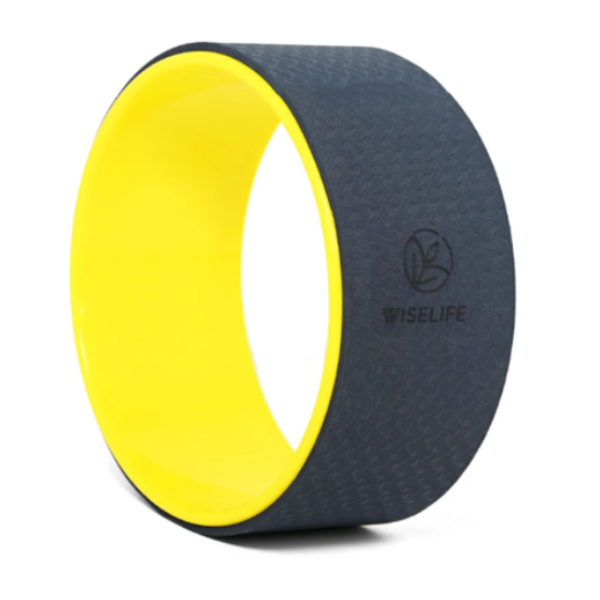
A circular yoga prop can attract attention immediately because its shape is unlike conventional blocks, straps, and bolsters. Yet buying a Yoga Wheel simply because it appears versatile can lead to an accessory that spends more time in storage than in practice.
Before purchasing one, practitioners should understand its intended applications, dimensions, surface grip, construction, and relationship to their current yoga experience.
For yoga and fitness enthusiasts around Talao Pali, Thane, these considerations can help determine whether a wheel is a useful addition.
Understand What the Prop Is Designed to Do
A yoga wheel is a rigid circular prop that may be incorporated into selected stretching, mobility, balance, and yoga exercises.
How it is used depends on the practitioner’s experience and the movement being performed.
It can provide a shaped surface around which certain supported movements are explored, but it should not be treated as a shortcut to advanced poses.
Stability Matters
Unlike a stationary bolster, a wheel can roll.
That characteristic is fundamental to its design, but it also means users need appropriate control and positioning. Beginners should learn unfamiliar movements gradually rather than placing substantial body weight onto the prop without understanding the setup.
The surrounding floor should provide adequate space, and nearby furniture or obstacles should be cleared before practice.
Check Diameter and Width
Dimensions affect how a wheel interacts with the body.
Diameter, width, padding, and overall construction can differ between products. A wheel that suits one person’s preferred exercises may feel different to another user.
Look at the product specifications and consider the movements for which you intend to use it.
Surface Comfort Deserves Attention
The outer surface comes into contact with the body and may also need to provide grip during certain applications.
Consider:
- Outer padding
- Surface texture
- Width
- Structural feel
- Stated intended use
- Cleaning requirements
A visually attractive wheel should still feel practical during actual exercise.
Avoid Treating the Wheel as a Universal Prop
Not every practitioner needs every yoga accessory.
Someone focused primarily on meditation or gentle restorative yoga may use a bolster more frequently. Another practitioner interested in mobility work may find a wheel more relevant.
Equipment should follow the practice rather than dictate it.
Check Your Readiness Before Buying
A Yoga Wheel may make sense when:
- You already practise consistently
- You understand why you want the prop
- You have adequate practice space
- You are willing to learn appropriate usage
- The product dimensions suit your intended exercises
- You want to expand an existing collection of useful props
If none of these apply, it may be worth building familiarity with foundational yoga equipment first.
Select the Prop With a Clear Purpose
Eldorado One Stop Yoga Store provides yoga mats, props, accessories, and home fitness equipment for practitioners and professional buyers across Thane.
Customers around Talao Pali considering a yoga wheel can benefit from evaluating the product as functional equipment rather than a novelty accessory.
A useful purchase starts with a simple question. Which movements will this prop support in your actual routine? When that answer is clear, comparing construction, dimensions, grip, and surface comfort becomes much easier.
Keywords