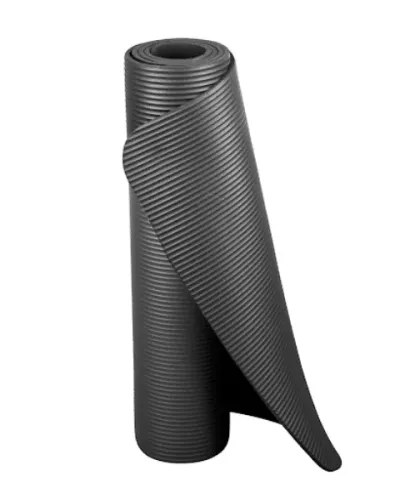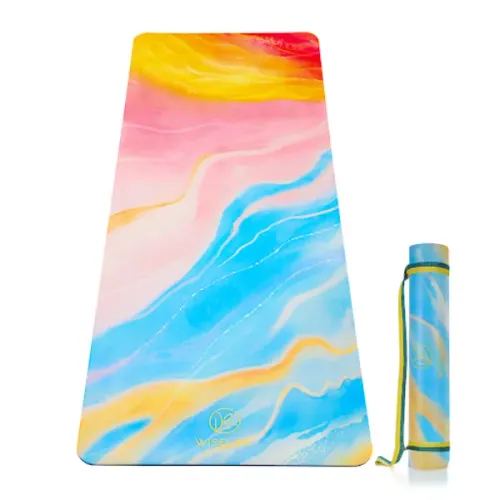

Small changes in hand placement, foot position, and body orientation can affect how a yoga pose feels. Practitioners learning new positions sometimes find it difficult to judge whether both sides of the body are placed consistently, particularly when practising without a mirror.
This is where Alignment Yoga mats can provide a useful visual reference.
For yoga learners, instructors, and home practitioners in Vrindavan Colony, Thane, understanding what alignment markings can and cannot do is important before choosing this type of mat.
What Are Alignment Markings
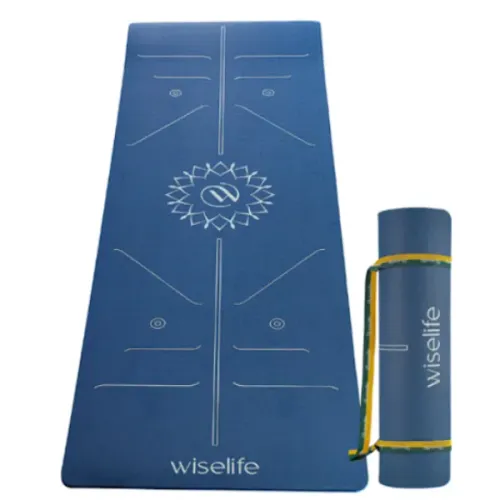
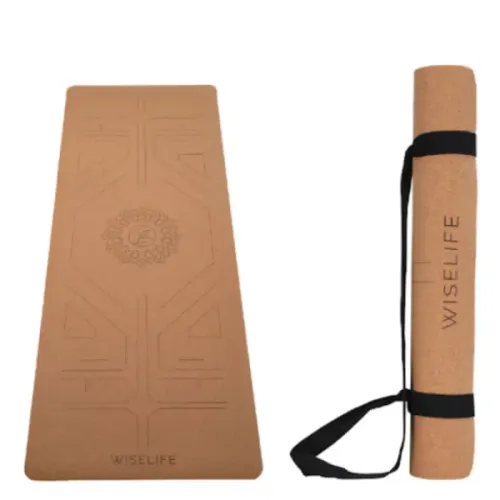
Alignment mats typically include lines, points, shapes, or other visual markers printed or incorporated into the practice surface.
These references can help practitioners observe where their hands and feet are positioned relative to the mat.
They may be useful during:
- Standing poses
- Symmetrical positions
- Hand placement
- Foot placement
- Home practice
- Instructor-led demonstrations
- Learning consistent starting positions
The markings act as references rather than automatic instructions.
Alignment Lines Do Not Replace Individual Technique
Bodies differ in height, limb length, mobility, proportions, and movement experience.
For that reason, a printed line cannot determine the correct placement for every practitioner in every pose.
The most useful way to think about alignment markings is as a visual measuring tool. They can help someone repeat a position or notice asymmetry, but they should not force the body into a standardized shape.
Instruction and appropriate modification remain important.
Beginners May Find Visual References Helpful
New practitioners often need to process several instructions simultaneously.
They may be thinking about breathing, balance, hand placement, foot direction, and the next movement in a sequence. Visual references on the mat can reduce some of the guesswork associated with positioning.
For example, a practitioner can observe whether the hands are approximately level or whether one foot has moved farther forward than expected.
That immediate visual feedback can make independent practice easier to understand.
Instructors Can Use Markings During Demonstrations
Yoga teachers may also find alignment surfaces useful when demonstrating placement.
Instead of relying only on verbal directions such as “move your hand slightly forward,” an instructor can refer to visible positions on the practice surface when appropriate.
The actual usefulness depends on the teaching style and mat design.
Do Not Forget Standard Mat Features
Alignment graphics should not distract shoppers from fundamental mat characteristics.
When comparing Alignment Yoga mats, also examine:
- Grip
- Cushioning
- Dimensions
- Material
- Thickness
- Floor stability
- Cleaning requirements
- Durability
- Weight and portability
A beautifully marked mat that does not suit the practitioner’s preferred surface feel is unlikely to be satisfying in regular use.
Visual Guidance Should Support Awareness
Eldorado One Stop Yoga Store offers mats and yoga accessories for practitioners, instructors, studios, and wellness buyers across Thane. People in Vrindavan Colony considering an alignment mat should think about whether visual references would genuinely support their practice.
Alignment markings are most useful when they encourage awareness rather than rigid positioning. Used thoughtfully, they can provide convenient reference points while practitioners continue learning how individual anatomy, comfort, instruction, and movement quality influence each pose.
Keywords