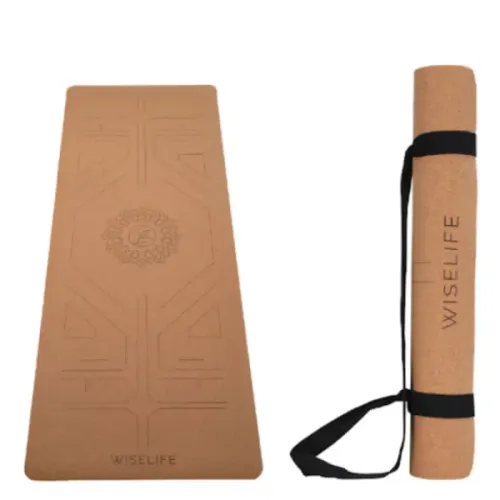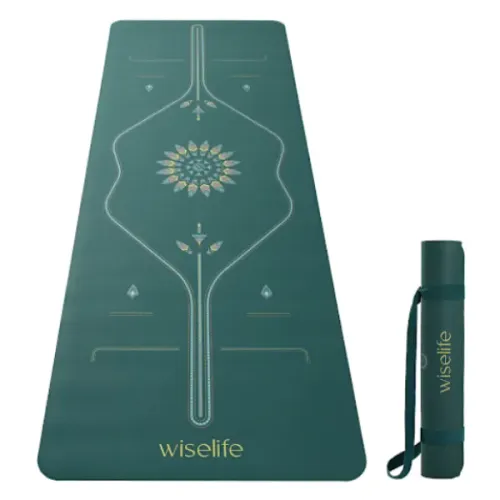
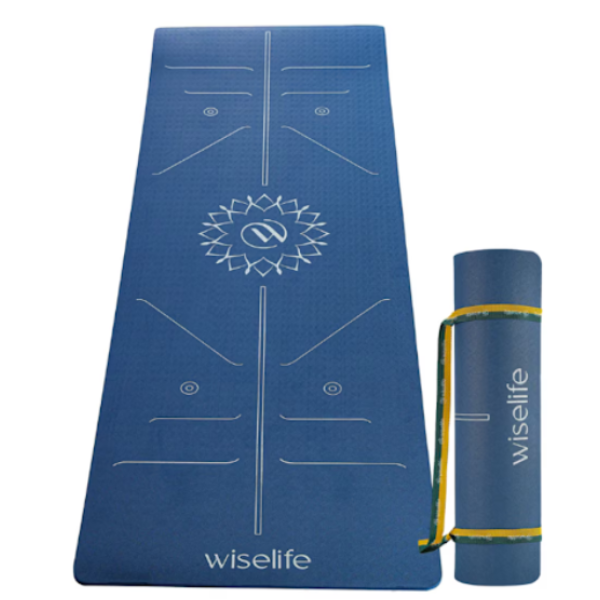
A yoga mat with alignment markings combines two roles. It provides the physical practice surface while also offering visual reference points that may help with positioning. That combination can be useful, but it also means buyers need to assess more than the printed design.
When considering Lotus Alignment Mats, shoppers should evaluate surface performance, dimensions, cushioning, markings, durability, and intended practice style together.
For practitioners and yoga professionals around Khopat, Thane, a structured evaluation can help distinguish useful features from purely visual ones.
Start With the Alignment Design
Look at how the markings are arranged across the mat.
Are the references easy to see during practice? Do they provide useful horizontal, vertical, or central positioning cues? Does the design remain readable without becoming visually distracting?
A good alignment layout should support awareness during practice rather than demand constant attention.
Remember that markings are reference points. Individual anatomy determines how each person positions their body.
Examine Grip and Surface Texture
A yoga mat still needs to function effectively as a mat.
Run through the movements you perform most frequently. Standing sequences can place greater emphasis on traction. Floor-based routines may make cushioning and texture more noticeable.
Surface preference varies substantially between practitioners, so visual design should never be the only deciding factor.
Check Dimensions Against Your Practice
Mat length and width affect usable practice space.
Taller practitioners may prefer additional length, while someone who performs broad floor-based movements may value width. The appropriate dimensions also depend on available space at home or in the studio.
Before purchasing, compare the stated dimensions with your existing mat if you already know what size feels comfortable.
Consider Portability
If the mat will travel to yoga classes several times each week, check its weight and rolled size.
A mat that feels ideal in a permanent home yoga area may be less convenient for someone commuting with it every day.
Yoga instructors can have an additional consideration because they may carry other props, teaching materials, or personal belongings alongside the mat.
Assess Long Term Practicality
When evaluating Lotus Alignment Mats, ask questions that relate to months of use rather than the first day:
- How should the mat be cleaned?
- What material is used?
- How should it be stored?
- Does its weight suit regular transport?
- Are the dimensions appropriate?
- Does the cushioning suit your routine?
- Are the alignment references genuinely useful to you?
These questions help prevent purchasing based entirely on appearance.
Consider Professional Buying Requirements
Studios and wellness centres may evaluate mats differently from individual practitioners.
A professional buyer may need multiple pieces, consistent dimensions, appropriate maintenance, and products suited to repeated sessions. Bulk requirements should therefore be discussed with the retailer rather than treated exactly like a single personal purchase.
Eldorado One Stop Yoga Store caters to individual yoga practitioners as well as instructors, studios, gyms, wellness centres, and bulk buyers across Thane.
For buyers in Khopat, the most useful Lotus Alignment Mats are those where the visual layout complements practical mat performance. The alignment design may attract initial attention, but grip, comfort, construction, dimensions, and suitability for regular practice should determine whether the product genuinely fits the intended use.
Keywords