Some yoga sessions are built around active movement. Others focus on slowing down, staying in supported positions, and reducing unnecessary muscular effort. Props become particularly valuable during this second type of practice because they help practitioners adapt poses to their bodies rather than forcing the body into a predetermined position.
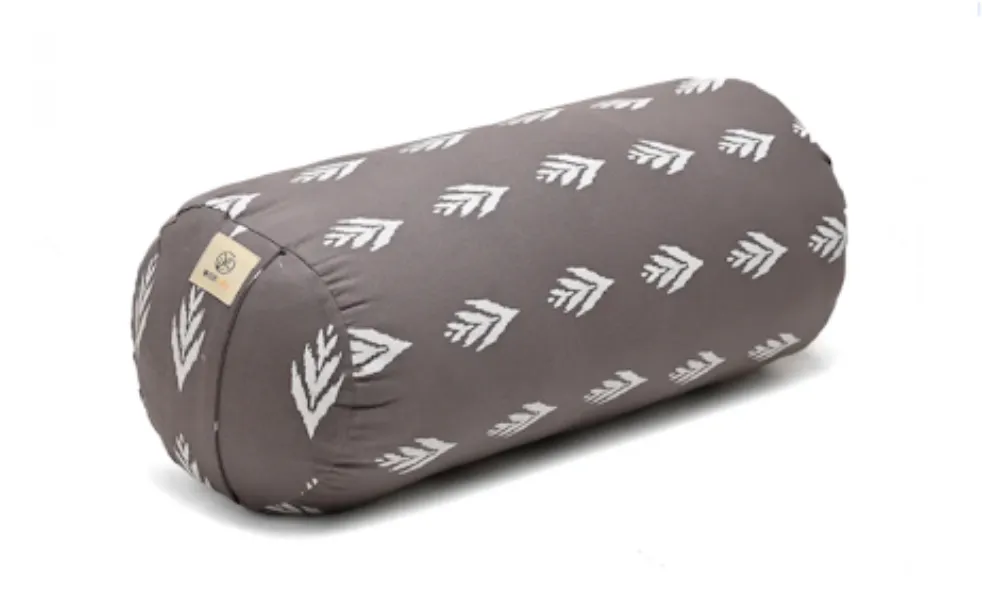
Wiselife Yoga Round Bolster Rolls are designed to provide structured support during selected restorative, relaxation, and floor-based yoga positions.
For practitioners and yoga instructors in Wagle Estate, Thane, understanding how a bolster functions can make it easier to decide where it belongs within a yoga setup.
What Does a Yoga Bolster Actually Do
A bolster provides elevated, cushioned support.
Unlike an ordinary pillow, a yoga bolster is generally intended to maintain a more supportive shape when body weight is placed against it. This makes it useful when a practitioner wants to rest the torso, legs, knees, or another body area in a supported position.
The exact application depends on the pose and the practitioner.
Round Bolsters Create a Different Support Profile
Shape influences how a yoga prop feels.
A round bolster creates curved support rather than the broad flat surface associated with some rectangular designs. Practitioners may prefer this shape when they want elevation with a rounded contact area.
Common applications can include supported relaxation positions, gentle chest-opening setups, seated practice, and placing support beneath the legs during appropriate poses.
Yoga teachers may also incorporate bolsters when adapting sessions for different comfort and mobility levels.
Restorative Practice Benefits From Proper Prop Placement
Simply owning a bolster does not guarantee comfortable practice. Placement matters.
When setting up a supported pose:
- Position the bolster before placing full body weight onto it.
- Enter the posture gradually.
- Notice whether the body can relax without feeling strained.
- Adjust the prop when support feels too high, low, close, or distant.
- Exit slowly after holding a position for an extended period.
A well-supported restorative pose should not require the practitioner to fight against the prop.
Consider Firmness and Dimensions
Bolsters differ in diameter, length, filling, firmness, cover material, and overall construction.
A firmer bolster may maintain its shape more strongly under load, while a softer product can feel different during reclining positions. Neither characteristic automatically makes one product appropriate for everyone.
The practitioner’s body dimensions, preferred poses, available storage, and practice environment should all influence selection.
For yoga studios and instructors, durability and ease of maintaining shared props may be particularly important.
Home Practitioners Should Think About Storage
A bolster takes up more room than compact accessories such as straps and eye masks.
Before purchasing Wiselife Yoga Round Bolster Rolls, consider where the prop will be kept between sessions. Leaving yoga equipment in a clean, dry, accessible place often makes it easier to use consistently.
For people practising at home around Wagle Estate, a dedicated yoga corner can help keep mats and props organised without turning the practice area into permanent clutter.
Props Should Help the Pose Fit the Practitioner
The purpose of a yoga prop is not to make a posture look more advanced. It is to provide useful support according to the individual and the exercise.
Eldorado One Stop Yoga Store offers yoga props and accessories for individual practitioners, instructors, studios, wellness spaces, and fitness buyers across Thane.
When choosing a bolster, think about the positions you actually practise, the support you want, and how frequently the prop will be used. That approach makes the purchase much more purposeful than selecting a bolster purely by appearance.
Keywords