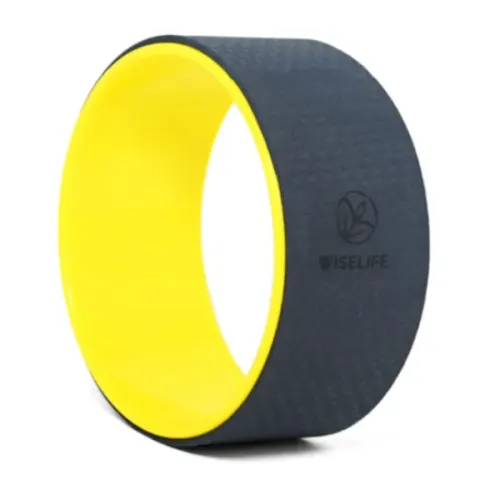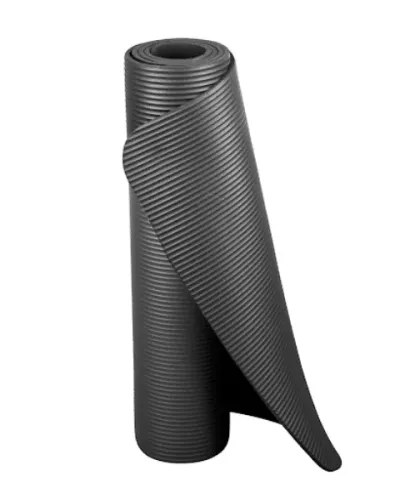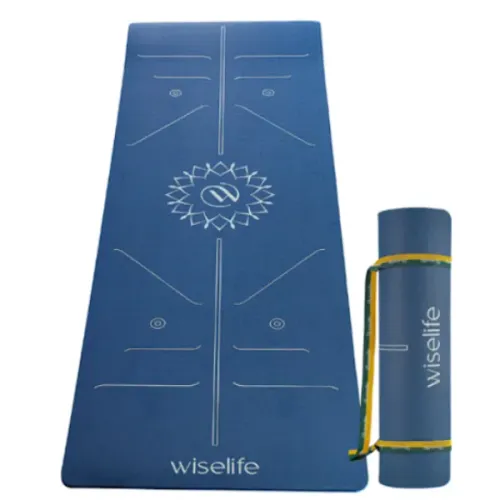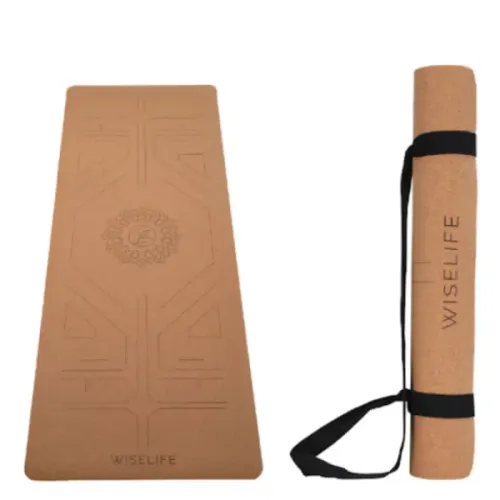
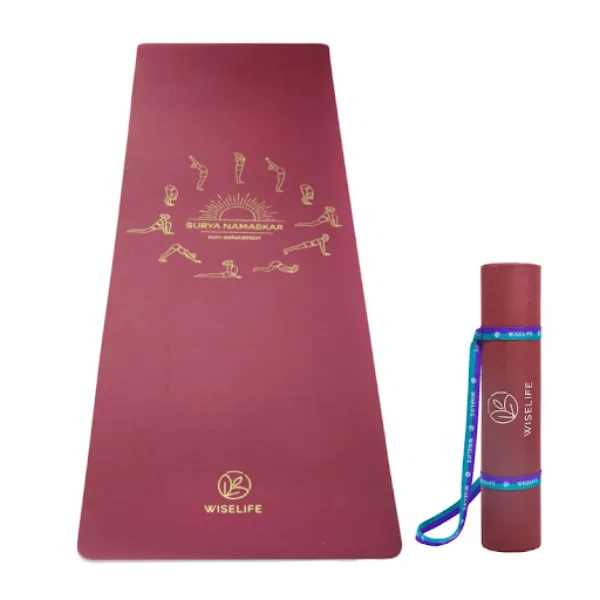
A yoga mat may look like a simple piece of equipment, but its surface, cushioning, grip, density, and durability can noticeably affect the way a person experiences daily practice. Premium Yoga Mats are designed for practitioners who want more than a basic floor covering, particularly when yoga has become a regular part of their fitness or wellness routine.
For yoga practitioners in Vartak Nagar, Thane, understanding these differences can make mat selection easier and help avoid buying a product that does not suit the type of yoga being practised.
Why Mat Quality Matters During Yoga
A mat creates the physical connection between the practitioner and the floor. During standing poses, the surface needs to provide sufficient traction. During kneeling and seated movements, cushioning becomes important. During transitions, the mat should remain reasonably stable rather than bunching or sliding.
A well-selected mat can support:
- Better traction for hands and feet
- Comfortable contact with hard flooring
- Greater confidence during standing poses
- More consistent positioning
- Easier home practice
- Long-term use when maintained properly
Thickness alone does not determine quality. Material, surface texture, construction, density, and intended use are equally important.
What Makes Premium Yoga Mats Different
Higher-quality mats often focus on a combination of grip, resilience, surface feel, and durability. Some practitioners prefer a dense mat that provides a grounded feeling, while others value cushioning because their practice includes several floor-based movements.
The ideal choice also depends on practice style. Someone practising slow restorative sessions may have different requirements from a person regularly performing dynamic sequences.
This is why comparing mats only by appearance can be misleading.
Consider the Surface Under Your Mat
The flooring in the practice area matters too.
A mat used on polished tile may need dependable floor grip. A mat placed on a slightly textured surface may behave differently. Home practitioners should therefore consider where they normally exercise before choosing thickness and material.
For people practising in apartments and residential spaces around Vartak Nagar, this can be particularly relevant because yoga sessions commonly take place on tile, marble, wooden flooring, or multipurpose room surfaces.
Think About Your Practice Frequency
Occasional practitioners may prioritize portability and simple maintenance. Someone practising five or six days each week may place greater importance on durability, grip consistency, and surface comfort.
Yoga instructors have another consideration. Their mat may be used for demonstrations throughout the day, making repeated use and cleaning important selection factors.
Care Helps Preserve Mat Performance
Even a high-quality yoga mat needs appropriate maintenance.
Sweat, dust, skin oils, and cleaning-product residue can gradually affect the surface. Follow the care instructions recommended for the particular material rather than assuming every mat can be washed in the same way.
After cleaning, allow the mat to dry thoroughly before rolling or storing it. Keeping it away from unnecessary moisture and prolonged harsh sunlight may also help maintain its condition, depending on the material.
Choose According to Practice Rather Than Appearance
Colour and design certainly matter when someone wants a mat that feels personal, but functional considerations should come first.
Before choosing Premium Yoga Mats, consider practice style, flooring, frequency of use, desired cushioning, grip expectations, storage space, and cleaning requirements. Eldorado One Stop Yoga Store serves yoga practitioners and fitness users in Thane who want to explore yoga equipment suited to different practice needs.
A mat that matches the practitioner’s actual routine is likely to be more useful than one selected simply because it looks attractive.
Keywords