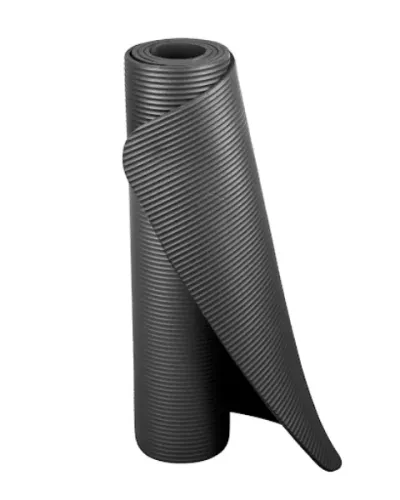
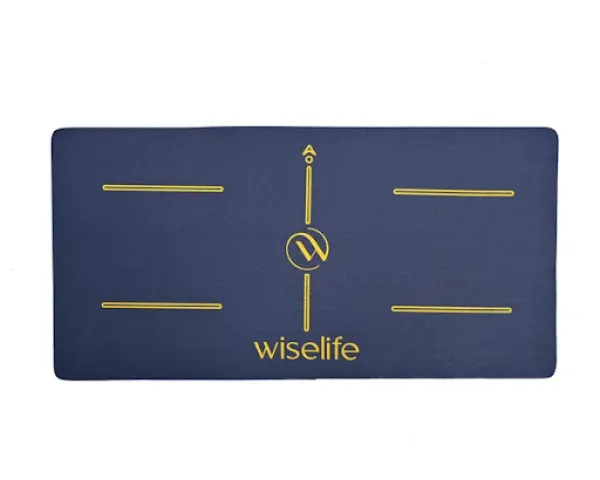
Floor-based exercise can become uncomfortable when the knees, elbows, hips, or other pressure points repeatedly contact a hard surface. While a yoga mat provides general cushioning, some users benefit from additional localized support.
A Cushion Pad can provide extra padding exactly where it is required, making it a practical accessory for yoga, stretching, mobility work, meditation, and selected home-fitness exercises.
For customers around Hiranandani Estate, Thane, choosing the right pad requires considering its firmness, size, surface, portability, and intended application.
Identify Where You Need Extra Support
Begin by considering which movements cause discomfort.
Kneeling poses are a common example. Even with a yoga mat underneath, people practising on hard flooring may want additional cushioning beneath the knees.
A pad may also be useful beneath the elbows during certain floor exercises or beneath other contact points where targeted support improves comfort.
The purpose is to supplement the existing exercise surface rather than automatically replace a full yoga mat.
Check Firmness and Compression
A very soft pad can feel comfortable initially but may compress significantly under body weight.
A firmer product may provide more structured support but could feel less cushioned.
The ideal balance depends on the intended activity and personal comfort preference. Someone using a pad primarily for kneeling may prefer a different density from someone using it for seated support.
Look at Surface Stability
Padding should not introduce unnecessary instability.
During exercise, the pad should sit appropriately on the existing surface and allow the user to position the body comfortably.
Its dimensions also matter. A pad that is unnecessarily large can interfere with surrounding mat space, while one that is too small may require frequent repositioning.
Portability Can Make It More Useful
One advantage of compact support accessories is easy transportation.
A lightweight cushion pad can be carried to yoga classes, fitness sessions, outdoor practice areas, or stored with other home workout equipment.
For instructors, compact pads may also be useful when adapting exercises for participants with different comfort requirements.
Use Additional Cushioning Thoughtfully
Extra padding can improve comfort, but it should not be used to ignore persistent pain during movement.
If a particular exercise consistently causes pain despite changes in technique, positioning, and support, continuing to load the uncomfortable area is not the goal.
Yoga props are most useful when they help adapt practice intelligently.
Build Your Setup Around Real Needs
Across Thane and Maharashtra, people practising yoga and fitness at home often need equipment that is compact and multipurpose. Instead of filling a home with large workout machines, carefully chosen accessories can support a broad range of movements.
Eldorado One Stop Yoga Store provides yoga, fitness, and wellness products for practitioners with different home and studio requirements. A cushion pad can be considered alongside mats, blocks, blankets, resistance bands, and other accessories when additional localized comfort is needed.
Before purchasing, check dimensions, firmness, material, surface feel, cleaning requirements, and portability. The right pad should solve a specific comfort problem without making movement unnecessarily complicated.
Keywords