A rubber mat can keep your hands and feet connected to the surface while reducing movement across a hard floor, but “rubber” alone does not guarantee secure practice. You will be able to match the mat’s traction, firmness, maintenance needs and material declaration to your practice conditions before you buy.
Key takeaways
- Choose rubber for high-friction practice on smooth, hard floors.
- Clean sweat, dust and oils before they reduce traction.
- Test grip with dry and damp hands, lunges and planks.
- Compare rubber’s stability, smell and care needs with PVC, TPE and cork.
When Rubber Gives You Useful Traction and Stability
Choose a rubber mat when barefoot practice on smooth, hard flooring demands a high-friction surface. It suits sweaty hands and feet, heated yoga classes, lunges, planks, inversions and fast sequences, but “rubber” alone does not guarantee traction. The compound, surface finish, hardness, moisture and contamination all change the result.
| Feature | Traction | Stability |
|---|---|---|
| Meaning | Grip between your skin and the mat | Resistance to movement between the mat and floor |
| Useful for | Downward-facing dog, plank, balances and controlled transitions | Lunges, standing poses, inversions and forceful weight shifts |
| Failure sign | Hands or feet slide during a pose | The mat creeps, curls or bunches beneath you |
Rubber yoga mat grip is not the same as rubber yoga mat stability. A textured surface can help your hands hold position, while the mat’s mass and compliant base can keep it planted and conform to small floor irregularities.
Do not choose maximum tack automatically. During pivots, sliding transitions or frequent repositioning, an extremely sticky surface can resist movement and increase twisting at the knee, ankle or shoulder.
A dense mat often stays put better than light foam, but unusual softness or thickness can reduce precision in single leg balances, handstands and loaded strength work. Stability and cushioning are different decisions.
How Sweat, Dust and Movement Change Grip
A dry rubber surface can feel exceptionally secure, but sweat and yoga mat grip change once moisture forms a continuous film between your skin and the mat. High humidity slows evaporation, while heated classes can saturate the contact areas under your palms and feet.
Texture, grooves and micro-patterns give water somewhere to move, but they do not make every rubber compound sweat-proof.
Clean the contact surface before practice. Lotion and dust create a separating layer: lotion reduces friction, while dust mixes with skin oil and can make the mat feel slippery or uneven. Oil-based cleaners, massage products and solvents can also swell or alter rubber, reducing grip after repeated use.
Follow the maker’s detergent instructions rather than using an untested household spray.
Movement style determines whether maximum tack helps. A very sticky mat can hold your hands during plank or Downward-Facing Dog, yet resist pivots and sliding transitions enough to encourage twisting at the knee, ankle or shoulder.
For a sweaty session, place a yoga towel over the hand and foot zones, or wipe the surface when a visible film develops; drying one area can suddenly make it grip differently from the rest.
Dense rubber limits mat movement against the floor, while its softer surface can feel less precise during loaded balances or handstands.
How to Test a Rubber Mat Before You Buy
Take a sample rubber mat to the floor where you will practise; showroom tiles can hide movement that appears on smooth stone, wood or vinyl. Run these checks before judging the label “rubber.”
1. Unroll the mat fully and leave it for several minutes. Press each corner, then walk from end to end. Reject it if the edges curl, the centre arches, or the mat shifts under normal steps.
2. Place your bare feet in a lunge and push the front foot forward while keeping the back knee grounded. Repeat on both sides. Watch for mat bunching during lunges, especially beneath the front toes and back knee.
3. Put your palms under your shoulders and hold a plank for 20 to 30 seconds. Keep the floor and mat in their intended position; sliding between them reveals poor base stability, while your hands creeping forward reveals weak surface traction.
4. Move into downward-facing dog and press your hands down and forward without stepping. A secure mat keeps its shape and your palms planted. Repeat with clean, slightly damp hands, because a surface that passes dry but turns slippery under sweat is not reliable for heated practice.
5. Test a slow transition from plank to a lunge and back. Choose a mat that grips without trapping your hands or feet during repositioning; excessive tack can make pivots feel forced. Ask for the mat’s weight and rolled dimensions before buying, since greater mass often improves floor stability but makes transport harder.
Rubber Compared With Other Mat Materials
Rubber trades portability for a planted feel. Its density limits curling and floor movement, while its compliance conforms to small irregularities; excessive softness or thickness can reduce precision in balances, handstands and loaded strength work.
| Material | Cushioning and firmness | Weight, smell, durability and portability | Best fit or drawback |
|---|---|---|---|
| Rubber | Medium cushioning; firm, stable contact | Heavy; new mats can smell strongly; durable when the compound resists aging; less portable | Strong floor stability and traction on smooth flooring. Natural rubber versus synthetic rubber differs in latex status, odor, hardness and oil resistance. |
| PVC yoga mat | Cushioning ranges from firm to soft; predictable firmness | Usually lighter than dense rubber; plastic odor can linger; durable and easy to carry | Practical, affordable option, but surface grip and environmental declarations vary. |
| TPE yoga mat | Light cushioning with moderate firmness | Lightweight; lower odor than many PVC mats; portability is good; durability varies by formulation | Easier to transport, but it may feel less planted under forceful transitions. |
| Cork yoga mat | Firm, thin cushioning; surface becomes grippier with moisture | Light to moderate weight; low odor; cork can wear or crack; portable | Cork yoga mat grip suits sweaty practice, but dry hands and hard floors can reduce traction. |
| PU-coated mat | Firm, smooth, high-traction surface over foam or rubber | Moderate to heavy; odor depends on the base; coating can mark or peel; moderate portability | Excellent hand grip when clean, but lotion and dust quickly defeat it. |
| Thick NBR foam | Softest cushioning; low firmness | Light for its size but bulky; noticeable foam odor; compresses and tears sooner; poor portability | Useful for kneeling comfort, not precise balances or stable inversions. |
Rubber is the wrong choice if you need a very light travel mat, dislike persistent odor, have natural-latex sensitivity, or require deep cushioning. Ask for the actual compound and VOC declaration instead of treating “rubber” as a complete specification.
How to Choose and Maintain Rubber Mats for Regular Use
Choose the chemistry before judging grip. “Rubber” may mean natural rubber containing cis-1,4-polyisoprene, or a synthetic compound such as SBR or NBR; hardness, odour, ageing and latex status differ.
| Material declaration | What to verify | Why it matters |
|---|---|---|
| Natural rubber | Percentage or clear identification of natural rubber latex | Latex sensitivity can involve natural-rubber proteins; do not treat “latex-free” as proven without a supplier declaration. |
| Synthetic rubber | Named elastomer, such as SBR or NBR | “Synthetic” alone does not tell you hardness, oil resistance or long-term behaviour. |
| Unknown rubber | Full composition unavailable | Reject it for a studio or shared setting where allergies, rubber mat odour and durability matter. |
Ask the supplier for:
- A signed material declaration that distinguishes natural rubber from synthetic rubber and supports any “latex-free” claim.
- A VOC or indoor-emissions declaration, plus the recommended airing-out procedure for new mats.
- Approved cleaning agents, dilution, contact time and drying method; confirm whether bleach, alcohol, oils or abrasive pads are prohibited.
- Storage limits covering temperature, sunlight, ozone-generating equipment and compression.
For rubber mat cleaning, remove sweat and dust with the labelled method, then dry the surface completely. Rubber mat storage belongs in a cool, dry, dark area, away from heaters, windows and ozone-producing devices; prolonged heat and ultraviolet exposure can harden the mat or crack its edges.
Eldorado One Stop Yoga Store can answer these specification questions when you compare natural-rubber and synthetic options for studio stock.
Related products
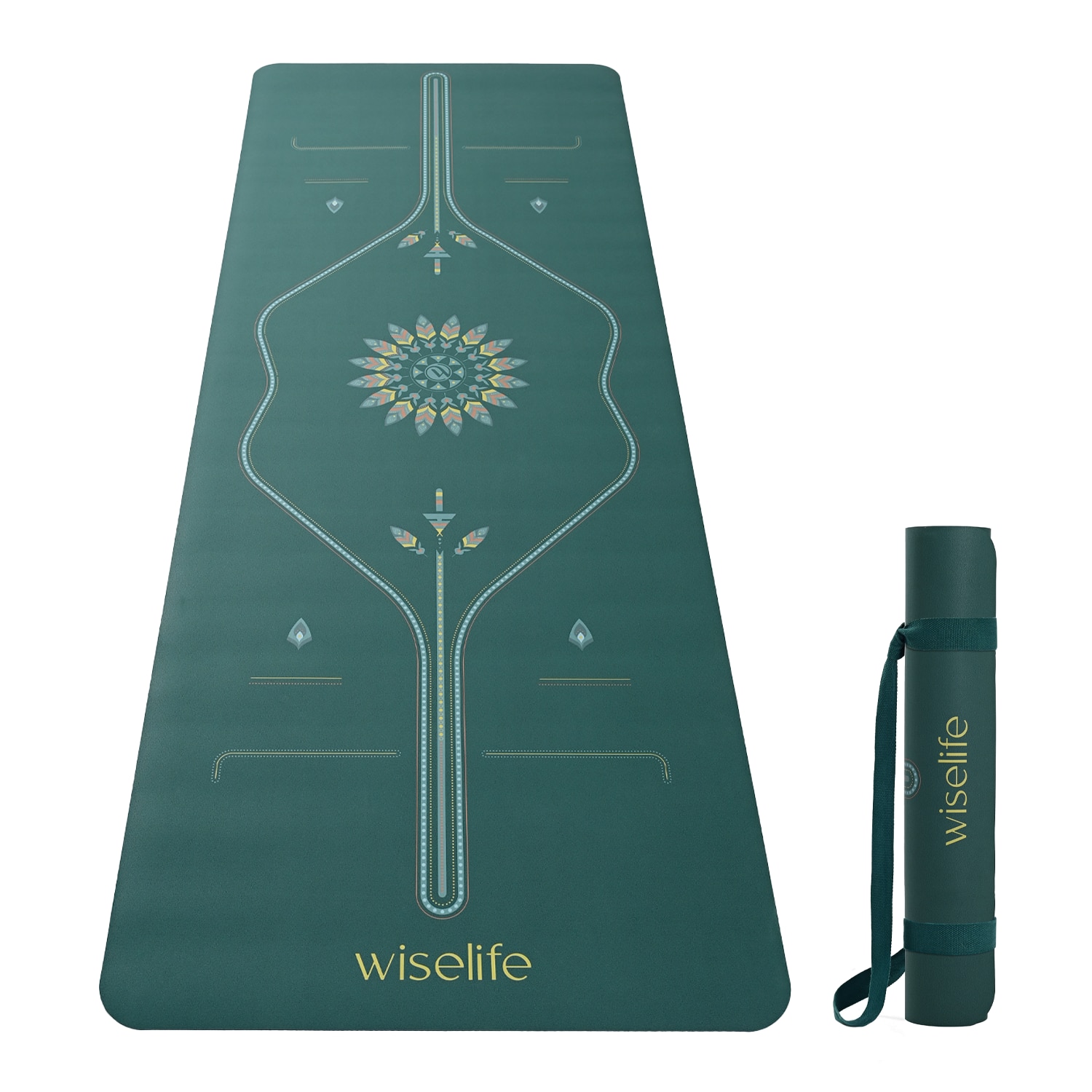 | Premium Yoga Mats PU Alignment and Natural Rubber Mats - Green ₹8325 PREMIUM PU & NATURAL RUBBER : The top layer of the mat is made from a high-quality PU which offers exceptional comfort, balance, and a luxurious... View product → |
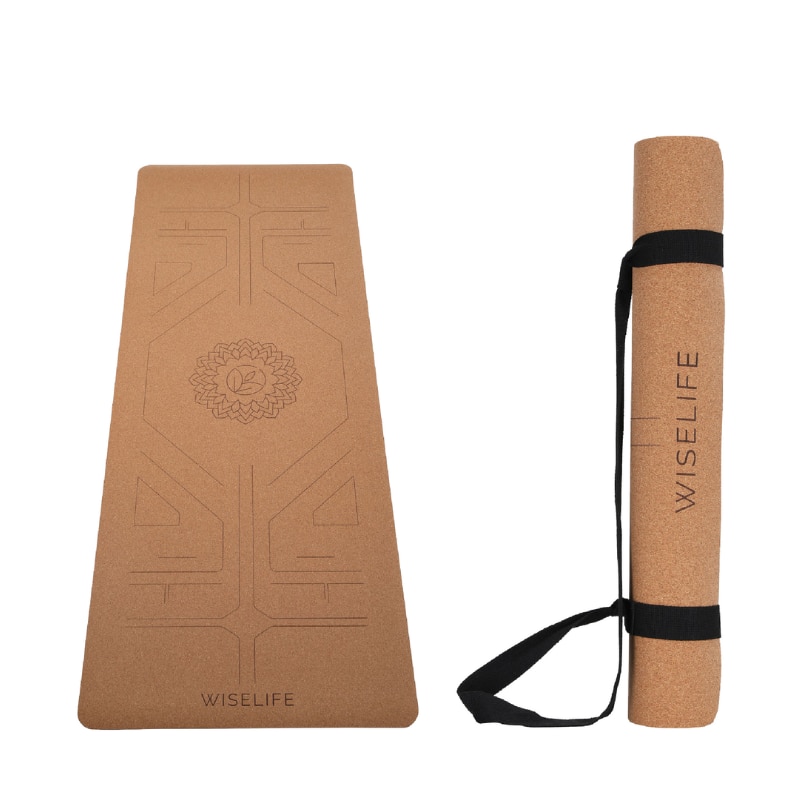 | Premium Yoga Mats Cork and Natural Rubber Yoga Mats ₹6658 OPTIMAL THICKNESS & SIZE – 5mm thickness ensures the perfect balance of cushioning and stability. View product → |
Frequently asked questions
When is a rubber yoga mat a good choice?
Choose rubber when barefoot practice on smooth, hard flooring requires traction and stability, especially for sweaty or heated sessions, lunges, planks, inversions and fast sequences.
How do sweat and dust affect rubber mat grip?
Sweat can improve or reduce traction depending on the surface, while dust, body oils and residue create a slippery film. Wipe the mat after practice and clean it as directed.
How can you test a rubber yoga mat before buying it?
Test the mat with dry and damp hands and feet. Hold a plank, step into a lunge and shift through a downward-facing dog to check for slipping, rolling or loss of contact.
How does rubber compare with other yoga mat materials?
Rubber usually offers strong traction and stability, but it can have a noticeable smell and needs careful cleaning. Compare its grip, cushioning, weight, durability and maintenance with PVC, TPE and cork.
Related products
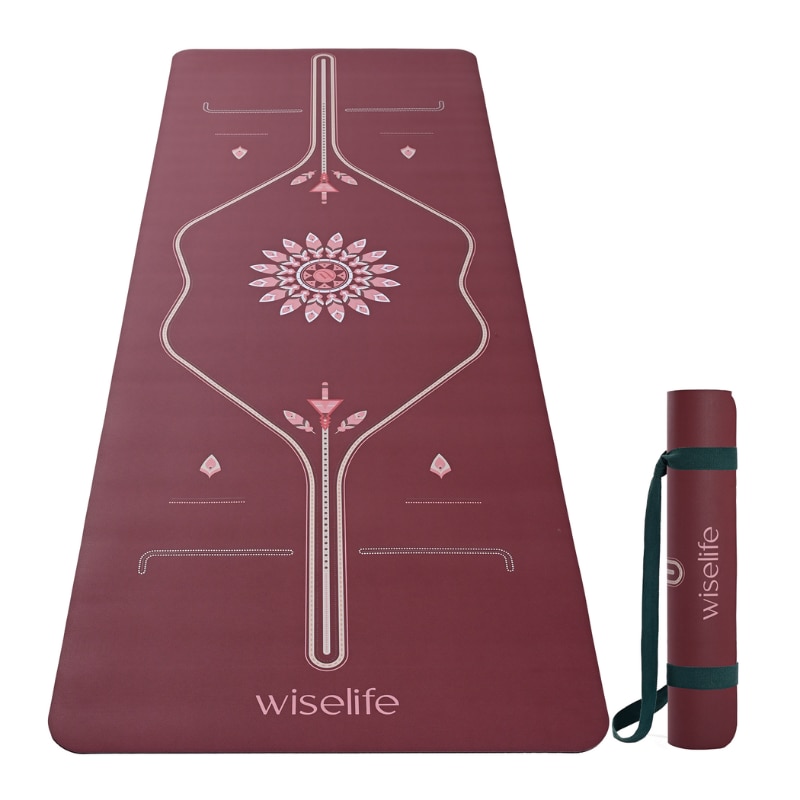 | Premium Yoga Mats PU Alignment and Natural Rubber yoga mat - Wine ₹8325 - PREMIUM PU & NATURAL RUBBER : The top layer of the mat is made from a high-quality PU which offers exceptional comfort, balance, and a luxurious... View product → |
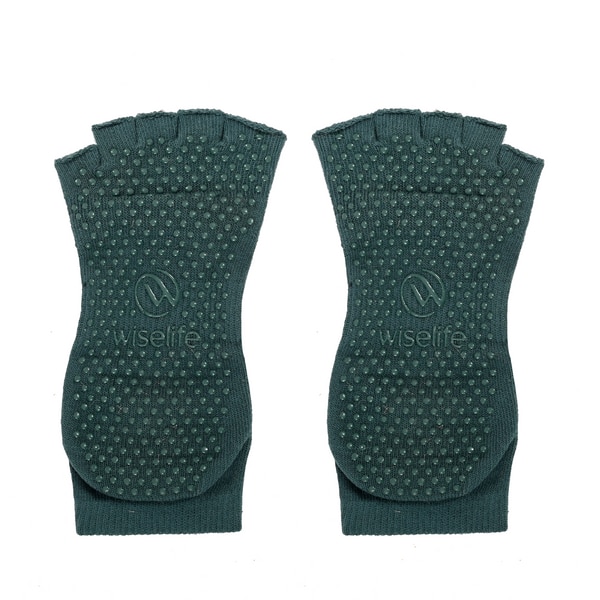 | Yoga Props ₹875 • Eldorado - Wiselife Yoga Grip Socks feature anti-slip silicone grips for enhanced stability and balance during yoga, Pilates, barre, and workout... View product → |
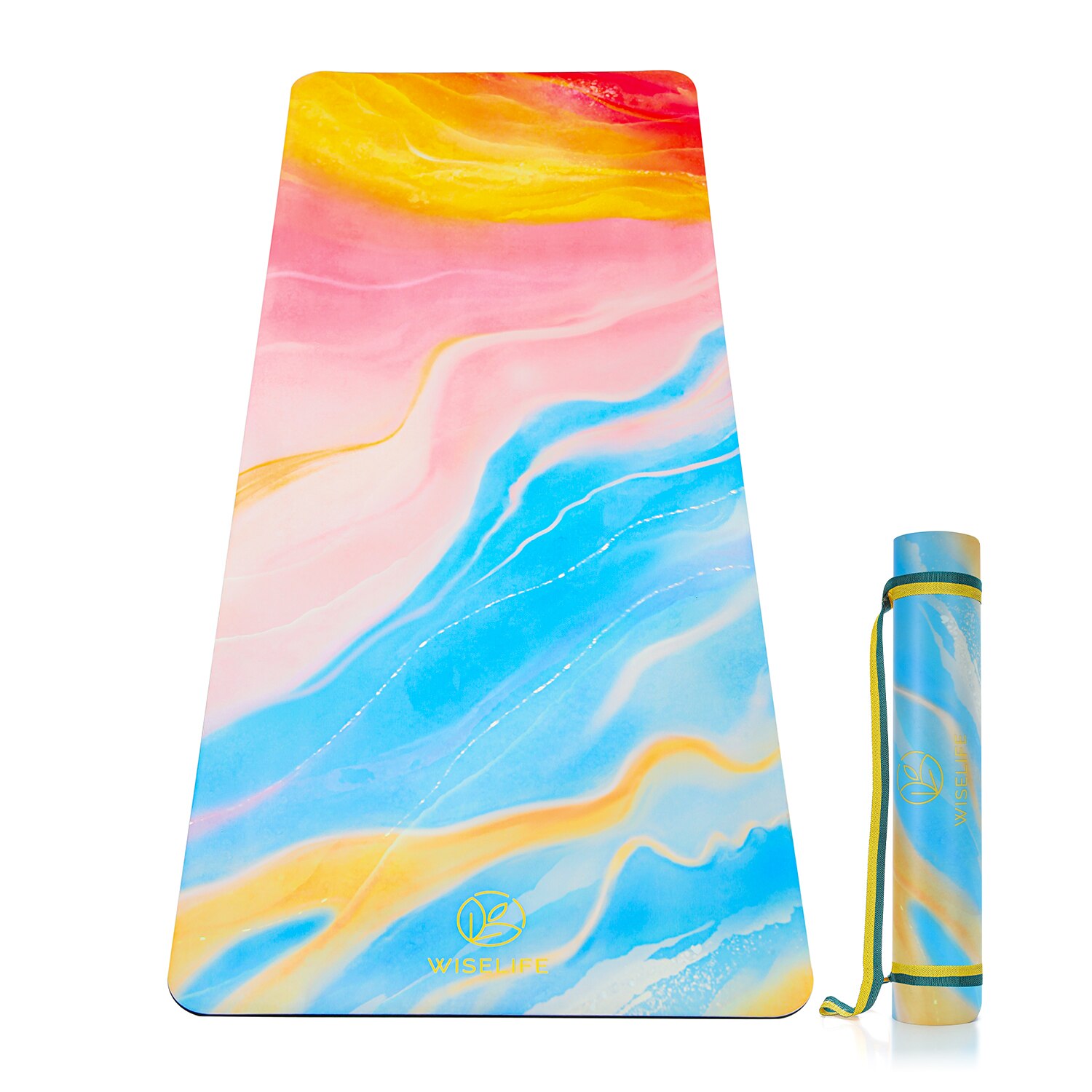 | Premium Yoga Mats PU Printed & Natural Rubber Yoga Mat - 6mm, Abstract Marble ₹8325 • Eldorado - Wiselife Premium Yoga Mat is made with a high-quality PU top layer and natural rubber base for superior comfort, grip, and stability... View product → |
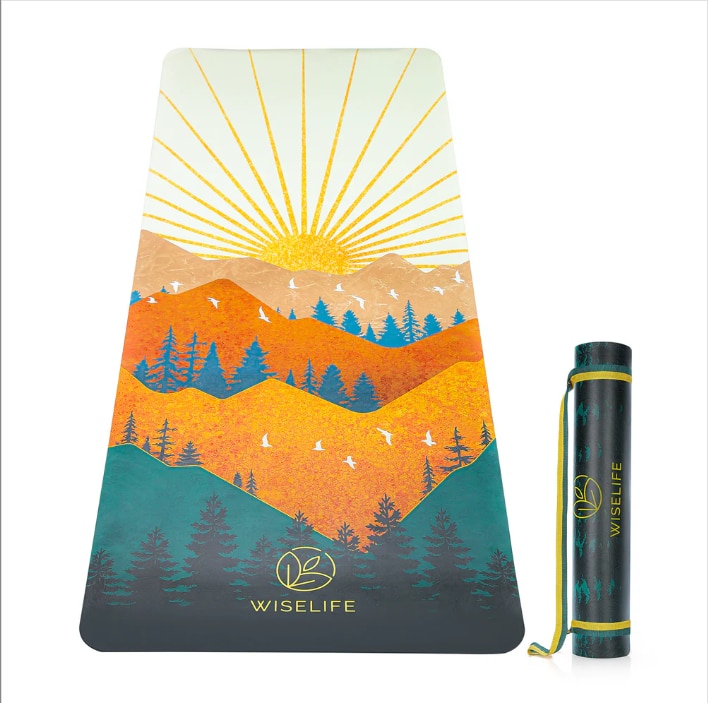 | Premium Yoga Mats PU Printed and Natural Rubber Yoga Mat - 6mm Aribian Morning ₹7491 • Eldorado - Wiselife Premium Yoga Mat is made with a high-quality PU top layer and natural rubber base for superior comfort, grip, and stability... View product → |