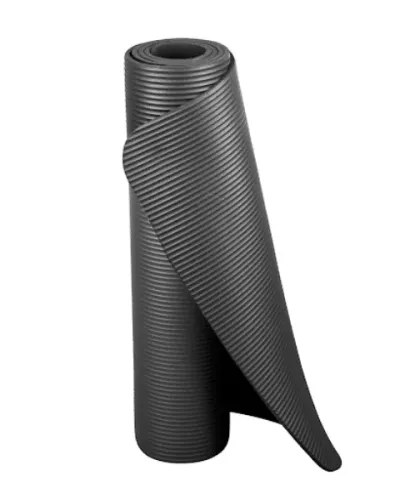
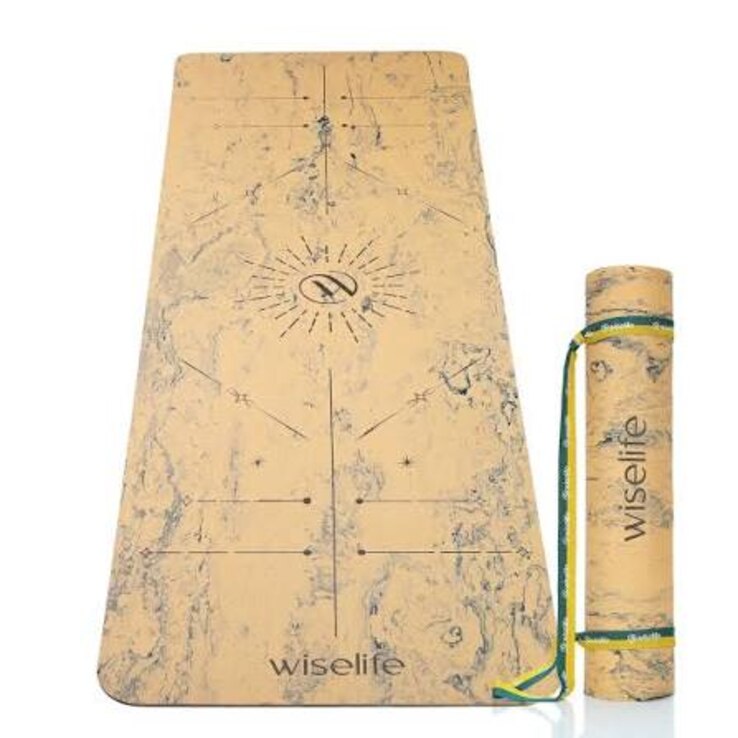
A yoga mat has to perform three different jobs at once: keep hands and feet from sliding, reduce pressure at contact points, and stay planted when force moves sideways. By examining the layers, testing grip under dry and sweaty conditions, and checking compression and floor contact, you can decide whether this mat supports controlled movement without making balance feel vague.
Key takeaways
- Check floor contact by pressing, stepping and pivoting on the mat.
- Use standing poses to reveal lateral movement and edge lifting.
- Expect 6 mm cushioning to soften impact while changing balance feedback.
- Compare grip during dry holds, transitions and sweaty practice.
How the two layers divide grip, cushioning and floor contact
A dual layer yoga mat separates two jobs that a single surface must compromise between. The top layer contacts your hands and feet, so its texture and finish create traction for pressing, pivoting and controlled movement.
The base layer spreads load, adds cushioning and keeps the mat in contact with the floor instead of letting the upper surface move independently.
Total thickness does not tell you how well this works. The bond between the top layer and base layer determines whether force transfers cleanly or the surface stretches beneath you. A grippy top layer cannot rescue a base that slides on sealed wood, vinyl or tile.
Dust, moisture and an uneven floor reduce the base layer’s effective contact area, causing rocking or creeping even when your palms stay fixed.
Unroll the mat fully and let curled ends relax before judging floor contact. Then test the actual surface with a controlled lunge and push back; repeat after wetting the hand or foot contact area. Watch for the mat shifting, stretching, curling or developing an unexpectedly tacky patch.
This checks the complete chain of stability: body to top layer, top layer through the bonded construction, and base layer to floor.
What standing poses reveal about lateral stability
A one-foot standing pose exposes lateral stability by showing whether the mat holds the foot in place or shifts beneath it when force moves sideways. Grip at the skin-to-mat interface is only half the result: the layers must also resist stretching, and the underside must stay planted on the floor.
- Warrior II loads the front foot through the heel and outer edge. Press the feet apart without moving them; a secure mat lets the pelvis open while the foot stays aligned, whereas a stretching core or sliding base makes the mat creep or bunch.
- Tree pose concentrates pressure beneath one foot. If the heel sinks into a soft cushioning layer, the ankle has to make constant corrections; comfort increases, but balance becomes less predictable.
- Half Moon tests the standing foot while the torso and raised leg pull the body sideways. This lateral movement exposes a curled end, lifted corner or soft edge that can create rocking precisely when you need a stable landing point.
Test both interfaces. A high-friction top cannot prevent movement on dusty vinyl, damp flooring or an uneven surface, and debris underneath can reduce contact to a small rocking patch. Let the mat lie flat after unrolling before judging it; retained curl can imitate poor lateral stability.
Repeat a controlled side press and a short lunge on your actual floor. If the foot holds but the mat slides, or if the mat stays put while the foot sinks and wobbles, the failure is in a different part of the stability system.
How hand and foot grip changes during movement
Judge traction by whether your hands and feet stay planted as load changes, not by how sticky the surface feels while you stand still. Downward-Facing Dog tests sustained contact; plank exposes whether your palms hold under forward pressure; transitions reveal whether the mat moves when shear force rises.
Test grip under these conditions:
- Use dry hands and bare feet first. Check whether you can press through the fingertips and spread the toes without sliding.
- Repeat with lightly damp skin, then sweaty hands. Sweat can form a lubricating film, reducing traction on some finishes while improving it on absorbent or textured surfaces.
- Push back from plank into Downward-Facing Dog several times. Watch for palm drift, toe sliding or wrinkling behind the hands.
- Repeat a lunge entry and exit in socks, then with a towel over the surface. Either can change the contact interface sharply.
A mat can feel secure in a stationary Downward-Facing Dog yet creep during repeated transitions. The upper surface may grip your skin while the foam or elastomer core stretches under shear, so watch the mat’s leading edge and your hand positions after each movement.
A sticky top also cannot rescue a base that slides across the floor. Test both interfaces, and ask for cleaning instructions: silicone, oil-based residue and excessive heat can reduce traction or weaken the layer bond over time.
What 6 mm cushioning changes for joints and balance
A 6 mm mat is the middle ground: it reduces pressure on knees, wrists and hips without making your body sink deeply into the surface. That balance supports comfort while preserving enough proprioceptive feedback for single-leg poses, arm balances and controlled transitions.
| Option | Comfort and compression | Proprioceptive feedback | Balance and control |
|---|---|---|---|
| 3 mm yoga mat | Firmer and less forgiving on hard floors; little cushioning under kneeling joints | Most immediate contact information | Precise for standing work, but pressure can shorten practice |
| 6 mm cushioning | Noticeably softer under knees, wrists and hips; moderate compression | Clear feedback with useful shock reduction | Strong compromise for stability, movement and joint comfort |
| 8 mm fitness mat | More comfortable at first, but soft foam can let heels, wrists or knees sink | Delayed feedback as the body travels farther into the mat | Less predictable in single-leg balance if the material is low-density |
| 10 mm alternative | Maximum padding, with the greatest risk of deep compression | Least immediate floor awareness | Better for restorative kneeling than precise standing control |
Thickness alone does not determine stability. Compare compression-set or permanent-set performance after repeated loading: a mat that stays compressed under the heel can develop a dip, shift your alignment and make balance harder.
A dual-layer design can separate traction from compliance, but the layer interface still matters. Test the actual mat on your floor with a lunge and push-back; repeat after wetting the contact area. Creeping, stretching, curling or local rocking exposes problems that extra cushioning cannot fix.
How to test floor stability before choosing the mat
Test floor stability only after the mat has relaxed flat. Leave it unrolled until curled ends settle, then place it on your actual floor after removing dust, hair and grit; debris can create a rocking point and reduce floor contact.
Use this acceptance test:
- Stand on the mat and check every corner for lift, curling or rocking.
- Perform a controlled lunge, then push back to the starting position. Mark one edge with tape and check whether the mat creeps, stretches or bunches.
- Repeat with a lightly wet hand-and-foot contact area, then wipe the surface dry. Reject it if moisture creates sliding, excessive tack or delayed recovery.
- Clean the mat using your planned routine, allow it to dry fully, and repeat the lunge test. Inspect edges and layer seams for bubbling, lifting or delamination.
| Floor | What to check | Failure sign |
|---|---|---|
| Tile | Test across grout lines and on smooth tile | Rocking, interrupted contact or sideways creep |
| Wood and vinyl floors | Check after dust removal and normal cleaning | Sliding despite a clean, dry surface |
| Concrete | Test for grit, pores and uneven patches | Localized rocking or reduced contact |
Eldorado One Stop Yoga Store can help you compare a dual-layer option against another mat, but test the actual model on the floor where you will practise; a hand-rub in a showroom proves only top-surface grip, not floor stability.
Related product
 | Yoga Mat Dual Layer Classic Yoga Mat - Blue and Green (6mm) ₹1746 Free Yoga Mat Carry Strap Pro balance blended TPE material for optimum Balance & Cushion Ideal Thickness of 6 mm 72 inches long x 24 inches wide:... View product → |
Frequently asked questions
How do the two layers divide grip, cushioning and floor contact?
The top layer supplies the hand and foot contact surface, while the lower layer provides cushioning and contact with the floor. Evaluate both layers together because a grippy surface cannot compensate for a mat that shifts underneath you.
What do standing poses reveal about a mat’s lateral stability?
Poses such as Warrior II, Triangle and Tree expose side-to-side movement, edge lifting and compression under one foot. Hold each pose, press through the heel and inspect whether the mat slides or wrinkles.
How does hand and foot grip change during movement?
Grip demands change between still holds, pivots, downward-facing dog and transitions. Test the mat with both dry and damp hands and feet, then check whether traction remains predictable as you move.
What does 6 mm cushioning change for joints and balance?
A 6 mm mat adds cushioning under knees, wrists and hips, but extra thickness also reduces direct feedback from the floor. Compare comfort with balance by holding standing poses and checking for wobbling.
How can you test floor stability before choosing the mat?
Place the mat on the actual floor, press down with your hands, step across it, hold a lunge and pivot slowly. Reject it if the base slides, corners lift, or the surface bunches under load.