Muscle tightness can make stretching and exercise feel more difficult, particularly after long periods of sitting, strength training, running, or repeated workouts. Foam rolling has therefore become a common part of warm-up, mobility, and post-exercise routines.
For fitness enthusiasts in Waghbil, Thane, a Gym Foam Roller can be a convenient addition to a home fitness setup because it requires little space and can be used for several muscle groups.
What Does Foam Rolling Actually Do
Foam rolling applies pressure to soft tissue as the body moves over the roller. People commonly use it before exercise to prepare for movement or after training as part of a relaxation and mobility routine.
Typical areas include:
- Calves
- Quadriceps
- Hamstrings
- Glutes
- Upper back
- Lat muscles
Pressure should remain manageable. More discomfort does not automatically mean a better session.
Density Changes the Experience
Not all foam rollers feel the same.
Softer rollers are generally more comfortable for beginners or people who dislike intense pressure. Medium-density rollers provide a balance between comfort and firmness, making them useful for general fitness routines.
Firm rollers provide stronger pressure and may appeal to experienced users who already understand foam-rolling techniques.
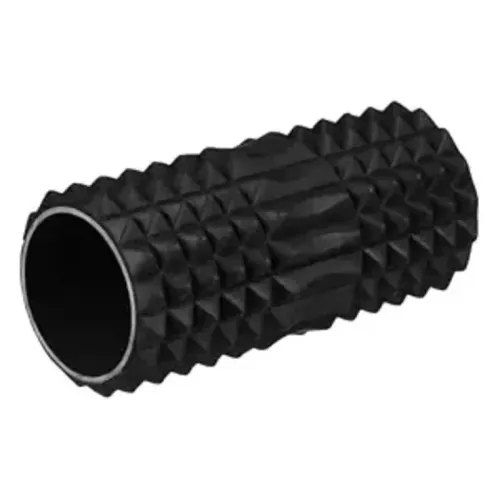
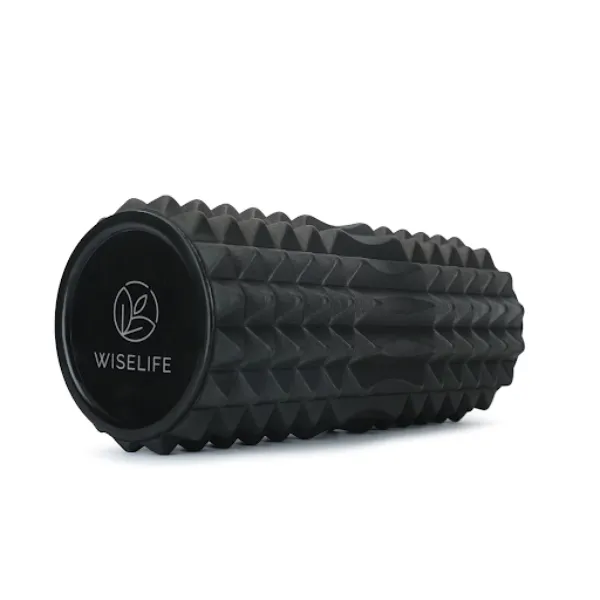
Textured models create more concentrated contact at particular points, while smooth rollers distribute pressure more evenly.
Length Also Matters
Long rollers offer a larger surface area and can be convenient for exercises involving the back or both legs. Shorter models are easier to store and transport.
Someone exercising in a compact apartment may value portability, while a trainer or fitness studio may prefer larger equipment suitable for repeated use.
Avoid Rolling Too Aggressively
A common mistake is repeatedly applying heavy pressure to a sensitive area. Foam rolling should generally feel controlled.
Move slowly and adjust body weight when pressure becomes excessive. Rolling directly over joints, bones, or areas with acute injury should be avoided.
Foam rolling also does not replace appropriate recovery, hydration, sleep, stretching, or professional assessment when persistent pain is present.
Add It to a Broader Mobility Routine
A roller becomes more useful when it is incorporated into a structured session.
For example, someone preparing for a lower-body workout might briefly roll the calves, quadriceps, and glutes before performing dynamic mobility exercises. After training, slower rolling can complement gentle stretching.
Fitness routines are increasingly being performed at home across Thane and Maharashtra, making compact accessories attractive to people who want useful equipment without installing large machines.
The best roller is ultimately one that matches your pressure preference, available space, and intended exercises. Rather than selecting the hardest model available, choose a density that allows controlled, consistent use.
Keywords