A yoga mat influences much more than appearance. It creates the surface between the body and the floor, affecting comfort, stability, movement, and the overall experience of a session.
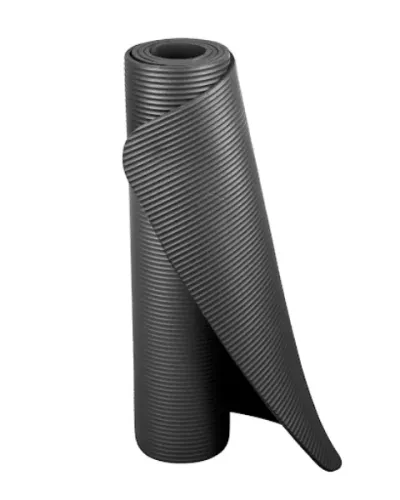
An Eva Yoga Mat is one option commonly considered by people who want a lightweight mat for yoga, stretching, mobility exercises, and general home fitness.
For users in Naupada, Thane, understanding its characteristics can make it easier to decide whether EVA material suits their routine.
What Is EVA Material
EVA stands for ethylene vinyl acetate. It is a foam-like material used in many fitness and cushioning products because it can be lightweight and relatively easy to handle.
In yoga mats, EVA can provide cushioning between the practitioner and hard flooring.
That can be helpful during movements where the knees, elbows, hands, or spine make regular contact with the surface.
Lightweight Construction Helps With Portability
People who practise in different rooms or travel to classes may not want a particularly heavy mat.
The lightweight nature of many EVA mats makes them convenient to roll, carry, and store. This can also benefit users living in homes where exercise equipment needs to be packed away after each session.
Thickness Needs Careful Consideration
A thicker mat can provide additional cushioning, but more thickness is not automatically better.
For balance-based poses, excessive softness may make the surface feel less stable. Conversely, a very thin mat on hard flooring may not provide enough comfort for kneeling exercises.
The right thickness depends on:
- Flooring
- Type of practice
- Joint comfort
- Portability needs
- Personal stability preference
Users who primarily perform stretching and floor exercises may have different priorities from those practising standing yoga sequences.
Keep the Mat Clean
Regular cleaning is important for any frequently used exercise surface.
After practice, wipe away sweat and allow the mat to dry completely before rolling it for storage. Follow the product's cleaning guidance because harsh cleaning products may affect certain materials.
Storing the mat in a dry location can also help maintain its condition.
Match the Mat to Your Routine
Someone beginning yoga at home does not necessarily require the same mat as an experienced practitioner attending intensive sessions several times each week.
Consider where you practise, how often you exercise, whether you transport the mat, and which movements form most of your routine.
Across Thane and Maharashtra, home-based yoga and fitness routines have made lightweight exercise accessories particularly practical. A suitable mat can create a defined exercise space even when a room has multiple everyday uses.
EVA mats can be useful for practitioners prioritising portability and cushioning. The better buying decision comes from considering thickness, dimensions, surface feel, storage, and intended exercise rather than choosing a mat based on one specification alone.
Keywords