When practitioners compare yoga mats, grip is often one of the first characteristics they consider. A mat that shifts unexpectedly or feels unsuitable during transitions can distract from practice and make certain poses more difficult to control.
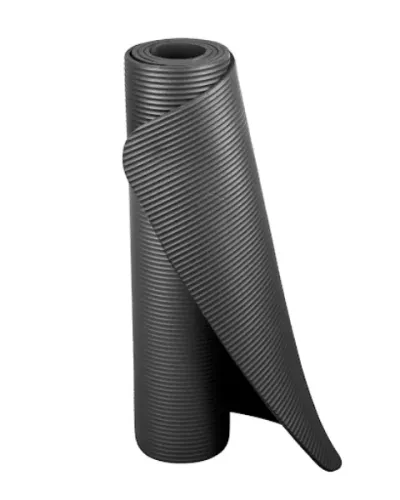
Rubber Yoga Mats are frequently considered by practitioners who value a grounded feel and substantial surface contact.
For customers around Panch Pakhadi, Thane, evaluating rubber mats properly means considering much more than grip alone.
Surface Feel Can Influence Practice
Yoga involves repeated contact through the hands and feet. Surface texture therefore affects how stable a practitioner feels in standing poses, downward-facing positions, lunges, and transitions.
Rubber mats can provide a different feel from lightweight foam-based mats. Some practitioners prefer this denser, grounded sensation, particularly during regular studio-style practice.
Actual grip can vary between products, so material alone should not be treated as the only indicator of performance.
Weight Can Be an Advantage and a Limitation
A denser mat may remain settled on the floor more effectively during active movement.
However, additional weight can make transportation less convenient.
Someone practising exclusively at home may consider weight relatively unimportant. A yoga trainer travelling between multiple classes might prioritise portability more heavily.
This trade-off should be considered before purchasing.
Thickness Still Matters
Material and thickness need to be evaluated together.
A rubber mat with suitable thickness can provide cushioning without necessarily feeling excessively soft. Personal preference remains important because some practitioners want greater floor connection while others need more cushioning around the knees.
Consider your flooring as well. Hard tile and wooden floors can create different comfort requirements.
Maintenance Affects Long-Term Use
Yoga mats regularly come into contact with hands, feet, sweat, and flooring, so routine care is essential.
After use, allow the mat to dry before rolling it. Clean it according to the manufacturer's instructions and avoid assuming that every household cleaner is suitable for rubber.
Proper storage can also help preserve the surface.
Check Whether Rubber Suits You Personally
Material sensitivity should not be overlooked. People with known latex sensitivities should examine product composition carefully before selecting natural rubber products.
Product descriptions should be read closely rather than relying on general category names.
Compare Based on Your Actual Practice
A highly portable mat may suit someone attending occasional classes. A denser mat may appeal to a practitioner creating a permanent home practice area.
Eldorado One Stop Yoga Store offers yoga equipment for practitioners and fitness customers across Thane and Maharashtra, making material comparison relevant for people deciding between different mat constructions.
The best choice is not necessarily the mat with the strongest marketing claim. Look at grip, density, thickness, dimensions, weight, maintenance requirements, and personal material preferences together.
When those factors match the way you practise, a rubber mat can become a dependable foundation for regular yoga sessions.
Keywords